
The new edition of the Dietary Guidelines for Americans, published by the Department of Agriculture (USDA) and the Department of Health and Human Services (HHS), updates the official dietary recommendations for the US population. The recommendations, which guide food and nutrition policies in the United States, promote a diet based on nutritious and minimally processed foods, in which pork, chicken, and other protein sources are part of a healthy and varied diet.
As the science of nutrition continues to evolve, so do dietary recommendations. The new edition of the Dietary Guidelines for Americans 2025-2030 is considered a leading global standard on food and nutrition.
Updated every five years, these guidelines not only provide guidance to the US population but also serve as a basis for school feeding programs, food assistance initiatives, nutrition education strategies, and public policies that impact millions of people.
This time, the new guidelines reinforce the role of protein as one of the pillars of a balanced diet. Under the slogan «Eat Real Food,» they promote foods with high nutritional density and minimally processed, recommending incorporating quality proteins—both animal and plant-based—into each meal, along with fruits, vegetables, dairy products, and healthy fats, while limiting ultra-processed foods, added sugars, and refined carbohydrates.
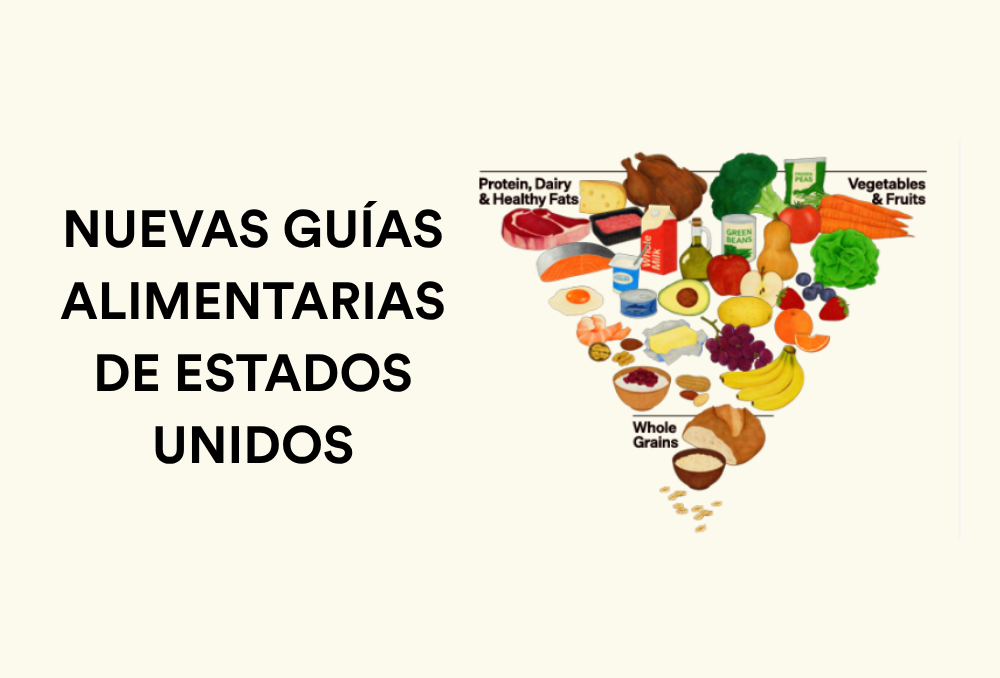
As part of this new approach, the materials accompanying the recommendations propose a new way of visualizing food priorities. It gives higher prominence to proteins, dairy products, and healthy fats, followed by vegetables and fruits, while whole grains fall lower on the list. The goal is to prioritize real, whole foods with higher nutritional density and reduce the consumption of highly processed products.
One of the key aspects of this update is the recognition of the nutritional contribution of pork. Ashley Johnson, Director of Food Policy at the National Pork Producers Council (NPPC), highlighted that the new guidelines recognize this food as a source of high-quality protein that can be part of a balanced diet. She also explained that scientific evidence shows that, although there are differences in nutritional composition and the contribution of essential nutrients, animal and plant proteins can complement each other.
A sign for evidence-based nutrition
For ChileCarne, the updating of these guidelines reflects the growing importance that scientific evidence gives to the nutritional quality of foods and the need to promote balanced eating, where the different food groups contribute the necessary nutrients for a healthy diet.
The increased emphasis on proteins highlights the contribution that foods like pork and chicken can make to a balanced diet, thanks to their nutritional profile and the wide variety of nutrients they contribute to the body.
Quality proteins and essential nutrients
Proteins perform essential functions for the body. They participate in muscle mass growth and maintenance, tissue formation and repair, enzyme and hormone production, and the proper functioning of the immune system.
In this context, pork and chicken provide proteins of high biological value, as they contain all the essential amino acids the body needs from food. They are also a natural source of B vitamins—like thiamine, niacin, B6, and B12— and minerals such as iron, zinc, phosphorus, and selenium, nutrients that contribute to energy metabolism, red blood cell formation, and strengthening of the immune system.
The new Dietary Guidelines update the official dietary recommendations for the US population and set an international standard that will likely continue to be analyzed and discussed by the scientific community and other actors involved in the food system. The guidelines emphasize the quality of food and the importance of building varied and balanced eating patterns, capable of supplying the necessary nutrients to promote better health and quality of life.
Visit the official USDA website for the announcement and summary of the changes HERE