
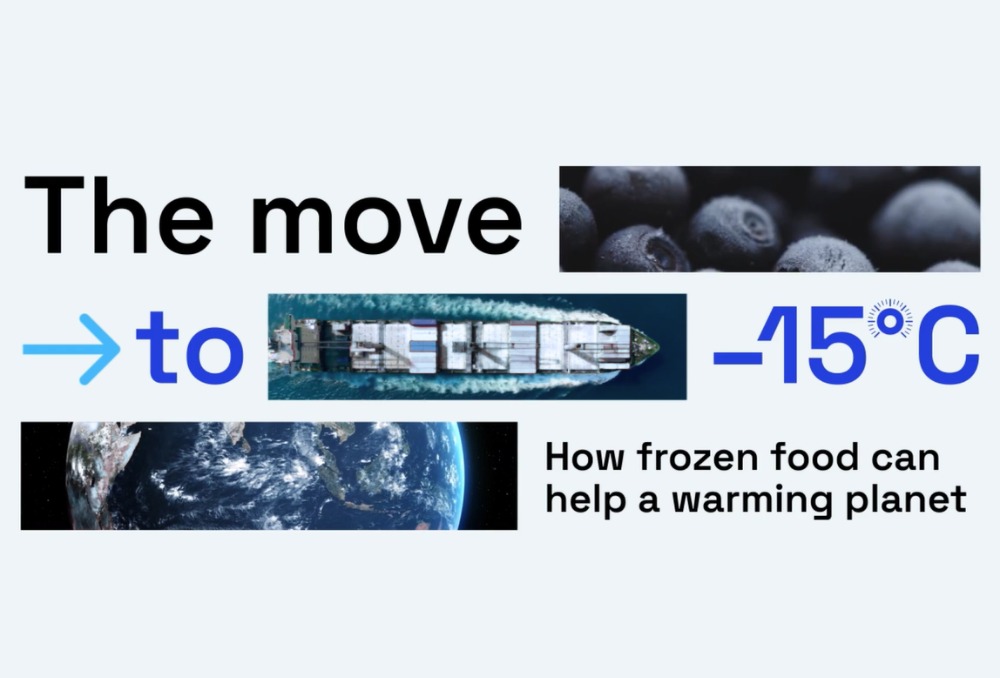
ChileCarne has joined the international coalition Move to -15°C, which proposes changing the global standard for frozen food preservation and transportation from -18°C to -15°C. Backed by scientific evidence, the measure could help reduce energy use and emissions from the cold chain, while maintaining the strict safety and quality standards required by the international food trade.
Millions of tons of frozen foods travel the world each year under the same standard: maintaining a temperature of -18°C. Today, however, this practice is being revised as part of a global initiative to make the cold chain more efficient and reduce frozen storage and transportation emissions.
The initiative is led by the international coalition Move to -15°C, made up of companies and organizations linked to the frozen food sector. The goal is to assess the feasibility of raising the standard storage and transportation temperature to -15°C without compromising food safety or product quality.
The FAO and WHO recently issued a call to gather scientific data on the effect of freezing temperatures on the quality and microbiological safety of frozen foods. The initiative rose from discussions promoted by Chile through the Ministry of Health and the support of ChileCarne during the latest meeting of the Codex Committee on Food Hygiene (CCFH), which proposed reassessing the international -18 °C standard for freezing and storage.
In addition to this global effort, ChileCarne is leading a proposal to update Chile’s Sanitary Regulation for Food Products and change the freezing, transportation, and storage temperatures for meat and land animals by-products from the current -18°C to -15°C. The association has already submitted the technical data and a draft proposal to the Regulation Committee and is now waiting for the corresponding public consultation process to begin.
Studies support potential for energy savings with no impact on food safety
The analysis of this proposal is supported by key technical data. For example, studies conducted by Nomad Foods and Campden BRI over an 18-month period concluded that raising the storage temperature of frozen foods to -15°C can reduce the energy consumption of freezers by 10 to 11% with no noticeable effect on the safety, texture, flavor, or nutritional value of the foods assessed, while also significantly reducing CO₂ emissions from the global cold chain.
The discussion is especially relevant for Chile, one of the leading poultry and pork exporting countries, as more efficient logistics can contribute to its recent sustainability efforts. A statement from ChileCarne reads «the exporting sector values initiatives that, based on scientific evidence and fully safeguarding food safety and quality, help us move towards more efficient and sustainable logistics chains. The proposal promoted by Move to -15°C is an opportunity that can help reduce the environmental footprint of international food trade.»
The association adds that it will continue to lead the push for this proposal in the corresponding international technical bodies, promoting solutions that favor the sustainability, innovation, and competitiveness of Chile’s meat sector.
The review of the CODEX international standards on food freezing is in the technical discussion phase. Led by Chile, along with Brazil and Australia, a new work proposal is being drafted for the next meeting of the CODEX CCFH later this year. Its approval will depend on the assessment and consensus process among the member countries of the Codex Alimentarius Commission, which adopts international standards in this field.
Regardless of the final outcome of the process, the proposal is already driving the global conversation about the future of the cold chain. For ChileCarne, actively engaging in these discussions is key to anticipating regulatory changes, fostering innovation, and maintaining a safe, sustainable, and competitive food supply in international markets.