
From September 13 to 18, Simón Araya, head of Animal Nutrition and Strategic Projects at ChileCarne, attended the 46th International Symposium on Dioxins and Persistent Organic Pollutants in Riva del Garda, Italy. The conference gathered more than 600 researchers, laboratory representatives, and authorities from around the world to discuss the latest scientific and regulatory developments on dioxins and PFAS—a group of synthetic chemicals known as “forever chemicals” for their persistence in the environment—and other persistent organic pollutants.
The symposium offered valuable insights into the evolution of analytical methods, regulatory criteria, and inspection systems for these substances. This information is especially relevant for countries engaged in international food trade. For Chile, which exports meat to demanding markets such as the European Union, Japan, South Korea, China, and the United States, staying up to date is essential to meeting food safety requirements and maintaining access to these markets.
“For ChileCarne, participating in the 46th International Symposium on Persistent Organic Pollutants (Dioxin 2026) is strategically important to the national meat sector. This event brings together the world’s leading laboratories and regulatory authorities to define analytical standards and maximum limit values for dioxins, PFAS, and other contaminants—criteria that later become health requirements for our target markets,” said Araya.
Direct access to new scientific developments and regulatory trends allows the sector to stay ahead of future requirements and strengthen the monitoring and inspection systems in place in Chile. «Furthermore, it allows us to verify that our efforts in Chile are effectively aligned with international guidelines and best practices, thereby avoiding gaps that could result in trade obstacles,» he added.
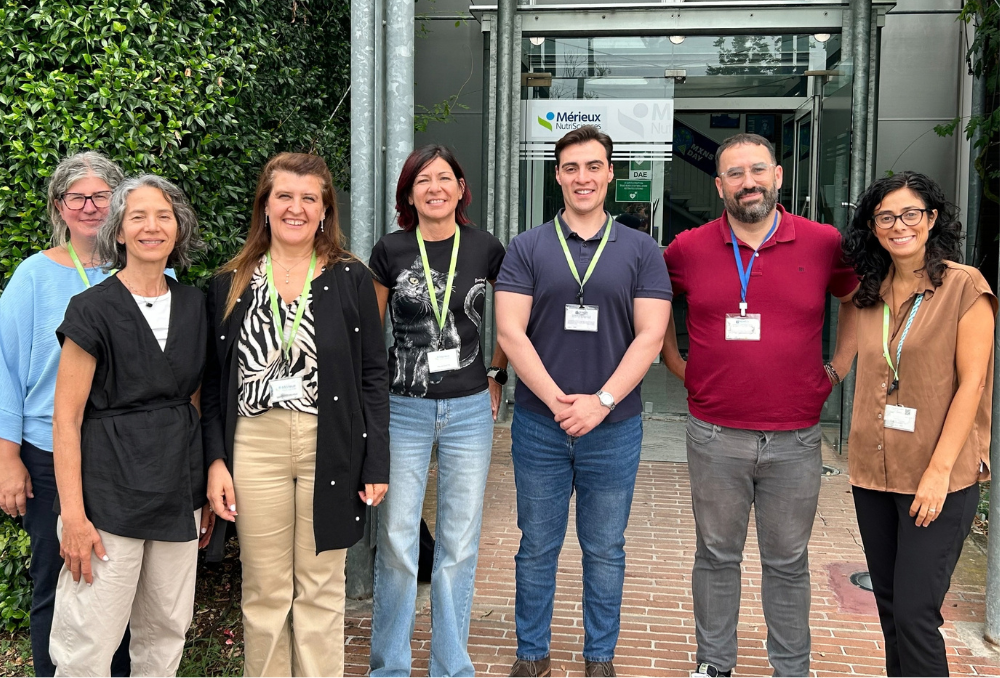
The technical agenda included a visit to audit the MXNS-Chelab laboratory, which is authorized by the SAG to analyze dioxins and is a member of its network of laboratories. Alfredo Serrano, the technical director of the Spanish consulting firm GSC, led the evaluation and assessed compliance with ISO 17025:2017. This international standard sets the requirements for the competence of testing and calibration laboratories. The audit also assessed compliance with the applicable European criteria for analyzing these substances.
Participating in this meeting and the technical evaluation of the laboratory are part of ChileCarne’s efforts to monitor scientific, analytical, and regulatory developments related to this issue. Access to up-to-date information and firsthand knowledge of evolving international criteria strengthen monitoring efforts in Chile. This ensures that its inspection systems align with the demands of major export markets. Thus, it supports the safety of Chilean meat products and their continued presence abroad.