


The global pork market is expected to stabilize by late 2026, following a period marked by oversupply, low prices, and moderate demand. This, according to Rabobank’s latest report, is expected to bring a slowdown in production during the second half of the year, especially in China and North America.
According to the report, the reduction of China’s breeding herd will translate into lower supply from the third quarter onwards, while North America is also expected to reduce its output by the end of the year. However, Rabobank warns that prices will recover gradually and could take until 2027 to rebound due to weak demand.
With regard to international trade, Rabobank highlights a reconfiguration of global flows. While Europe is losing market share due to health issues and lower Chinese demand, Brazil continues to strengthen its position and is reaching record volumes. At the same time, markets like Mexico and the Philippines are stepping up their imports, in contrast to the decrease seen in China.
Rabobank also warns that factors like animal diseases, geopolitical tensions, and trade measures will continue to produce uncertainty in the market. In addition, changing preferences are driving the industry to innovate and develop products more in line with new consumer trends. At the same time, the incorporation of technologies such as artificial intelligence, automation, and genetic progress continues to strengthen farm efficiency and productivity.
Rabobank predicts reduction in global pork supply for the second half of 2026

Últimas publicaciones
-
 At INOFOOD 2026, ChileCarne emphasized prevention as the key to safe meat processing
-
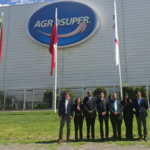 South African ambassador visits Agrosuper plant to explore prospects for Chilean meat
-
 ChileCarne participates in public-private technical training on diseases and injuries at pig processing plants
-
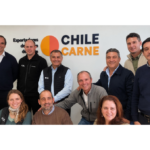 Argentine pork producers learned about the Chilean industry during technical visit
-
 Biosecurity in animal transport: ChileCarne Talks examines the risks and challenges facing the sector
- En INOFOOD 2026, ChileCarne relevó la prevención como clave para producir carnes seguras