


On Wednesday, November 26, ChileCarne held a webinar on animal feed biosecurity with the aim of strengthening technical capabilities in the sector. The event brought together industry professionals to review updates and best practices.
The meeting was attended by four leading experts from Pipestone, a US company known for its work in animal health, nutrition, feed production, management, and applied research in pig farming.
The featured speakers were Dr. Gustavo Pizarro, President of Pipestone Latin America; Dr. Scott Dee, Director of Veterinary Research; Dr. Jake Koepke, Senior Feed Mill Supervisor; and Dr. Joel Nerem, Director of Industry Relations. Each addressed key industry issues: the basics of biosecurity in animal feed, the latest research on viruses in raw materials, updates on protocols and processes, and a rundown of future challenges.
The specialists spoke about the importance of biosecurity in animal feed production, highlighting its direct bearing on safety, output, and keeping animal health status and market access. They also stressed that adopting evidence-based practices is key to developing more efficient and safe systems.
The webinar concluded with a Q&A session and technical discussion between attendees and speakers, leading to an exchange of experiences and knowledge that was greatly appreciated by the sector.
Webinar invites Pipestone experts to discuss advances in feed biosecurity
Últimas publicaciones
-
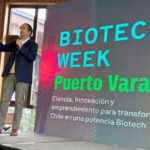 Biotechnology and meat production: Challenges facing the pork and chicken industries
 -
 Agri-Food Export Council addresses challenges and opportunities for agricultural exports
 -
 ChileCarne addresses new challenges related to dioxins, PFAS, and new contaminants at international meeting in Italy
 -
 ChileCarne works with the Ministry of Health to raise minimum temperature for frozen meat
 -
 Chile makes progress on health authorization in Indonesia, opening new opportunities for pork and chicken
 -
 Visit by U.S. officials highlights trade and production ties with Chile